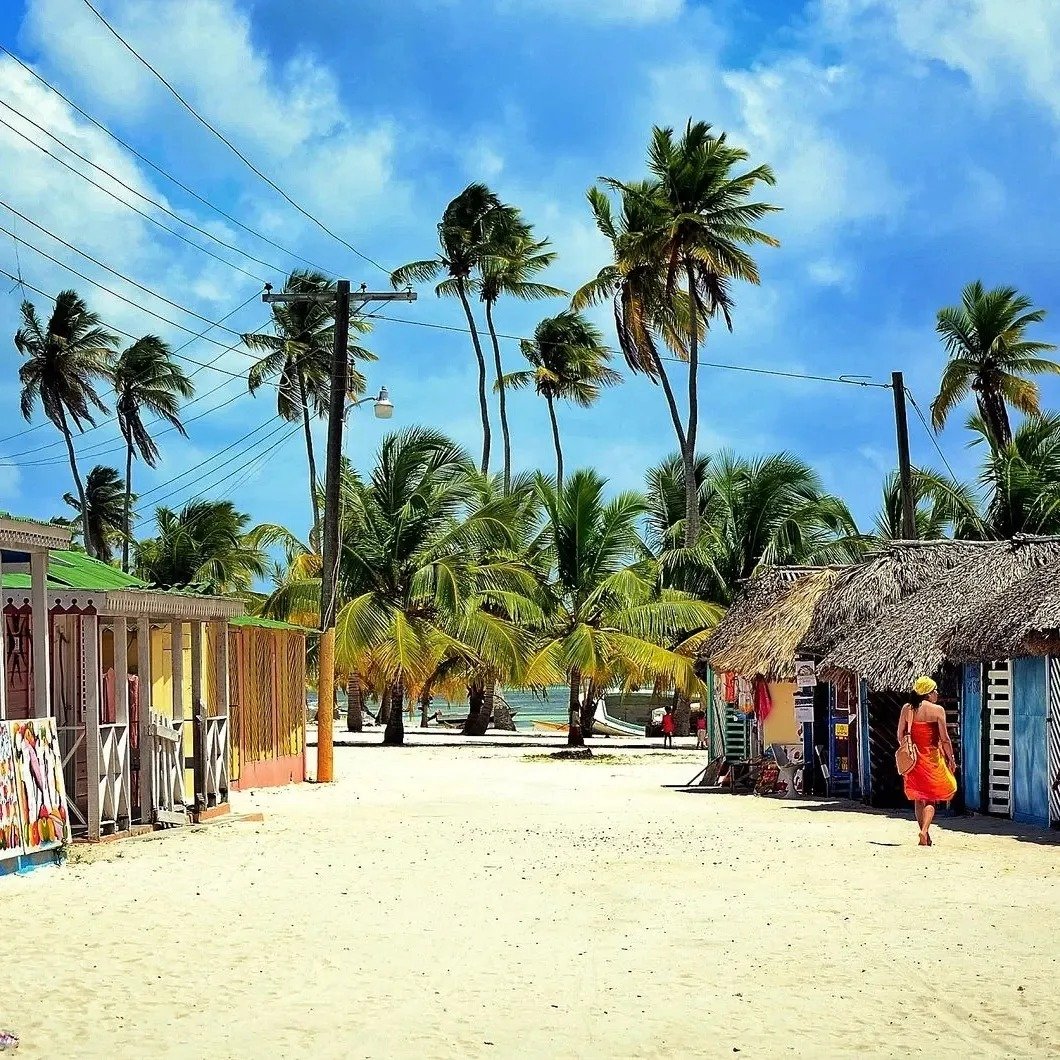

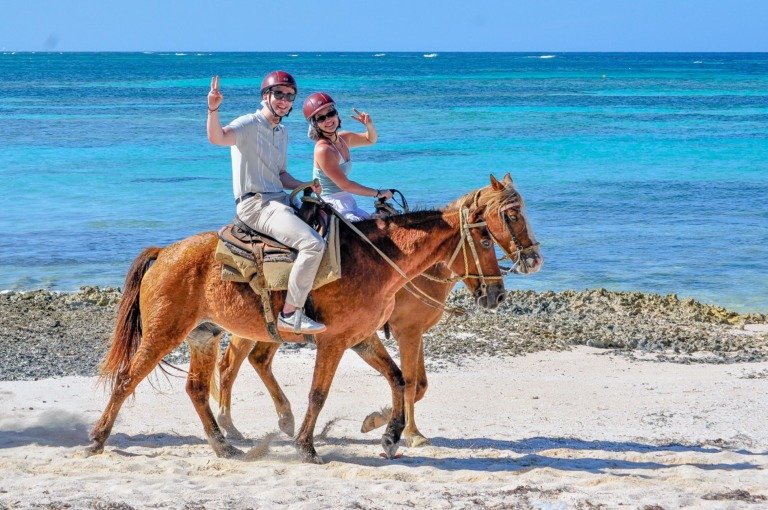
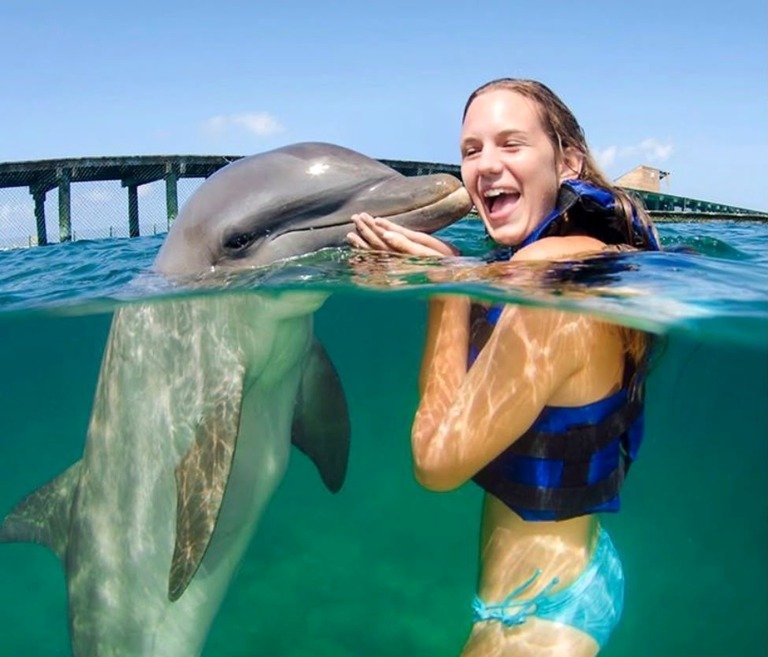
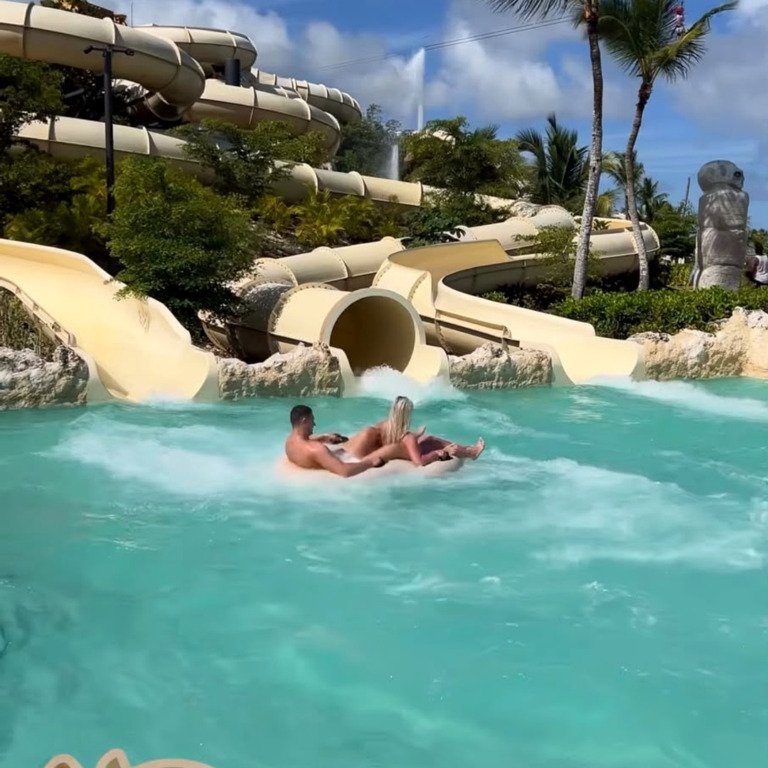
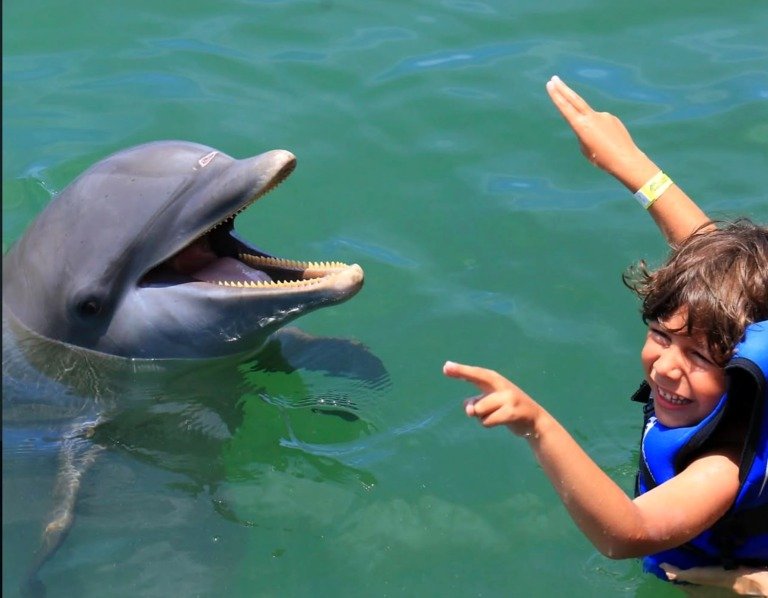

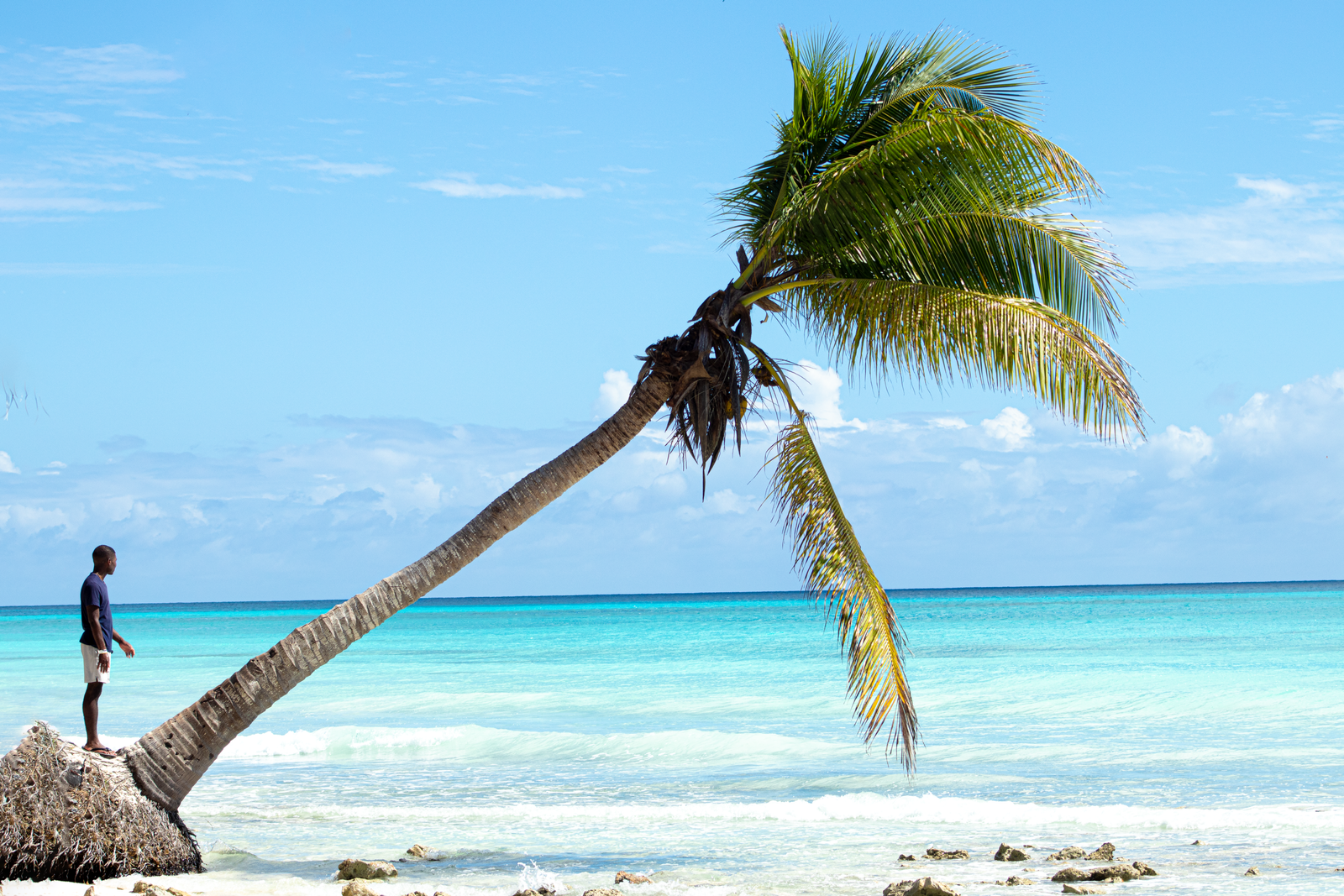
When people think about Saona Island, they usually picture white sand, palm trees, and turquoise water. But Saona is much more than a beautiful beach.
Long before it became one of the Dominican Republic’s most famous destinations, the island already had its own history, communities, and identity. The Taíno people knew the island as Adamanay.
Saona Before Tourism
Long before European arrival, Taíno communities lived throughout this region of Hispaniola. The island and surrounding waters provided resources for fishing, agriculture, and everyday life, and archaeological remains still offer evidence of this indigenous presence.
So when you visit Saona, you’re stepping into a place with a much older story than the tourism we know today.
The Arrival of Christopher Columbus
During Christopher Columbus’s second voyage in 1494, the expedition reached this part of Hispaniola. Historical sources associate the island with the indigenous name Adamanay and connect the name Saona with Michele da Cuneo, who came from Savona, Italy.
Over time, the name evolved into the one we know today: Saona.
The Story of Cotubanámá
Saona’s history is also connected to Cotubanámá, one of the Taíno chiefs of the Higüey region. Historical accounts associate him with the island during the conflict with the Spanish.
His name lives on today in one of the Dominican Republic’s most important protected natural areas: Cotubanámá National Park.
A Protected Island
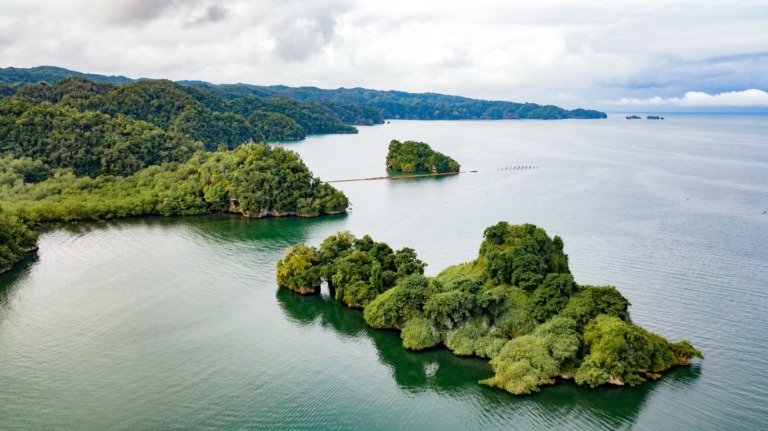
Saona forms part of Cotubanámá National Park, a protected area known for its rich natural ecosystems. The island is home to beaches, mangroves, coral reefs, and other coastal environments, and its surrounding waters are also important for marine life, including sea turtles.
And this helps explain something many visitors notice when they arrive.
Saona doesn’t feel like a destination built entirely around tourism. Much of its charm comes from its natural environment.
Mano Juan: Life on the Island
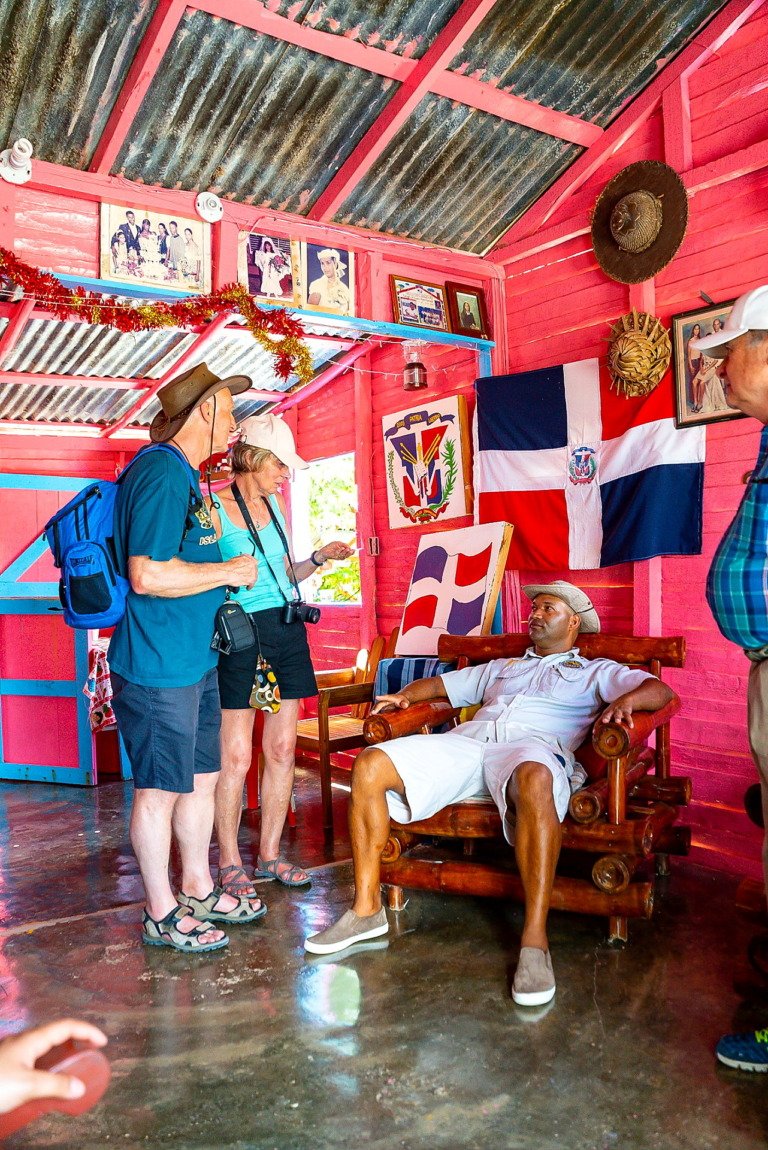
Saona is also home to a local community. Mano Juan is the island’s main settlement and an important part of modern Saona.
Here, the experience changes again — you’re no longer looking only at a spectacular beach, you’re seeing a community that is part of the island’s living history.
Why Is Saona Island So Special?
Because several stories come together in one place: Taíno history, the arrival of Europeans, the story of Cotubanámá, the communities that still live on the island, and a natural environment that remains one of its greatest treasures.
That’s why a Saona Island tour should be more than arriving, taking a picture, and leaving. Take a moment to understand the place you’re visiting.
Discover Saona Island with Perico Ripiao Tours
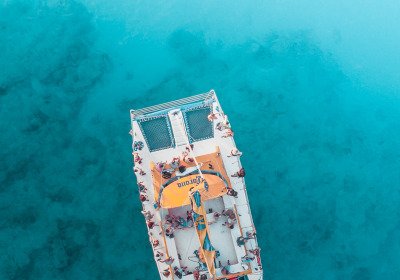
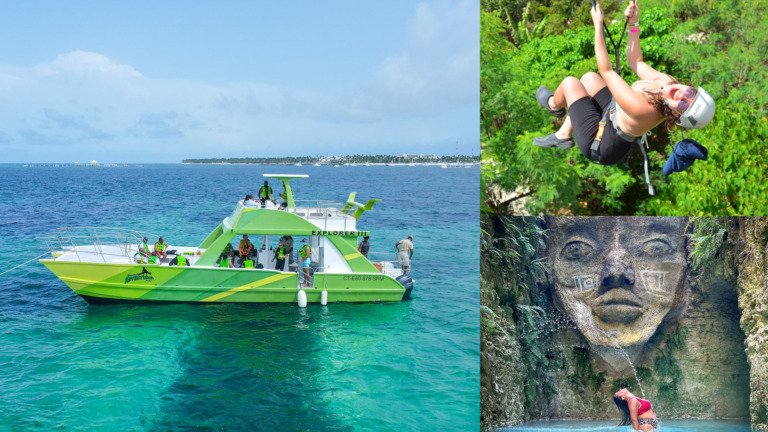
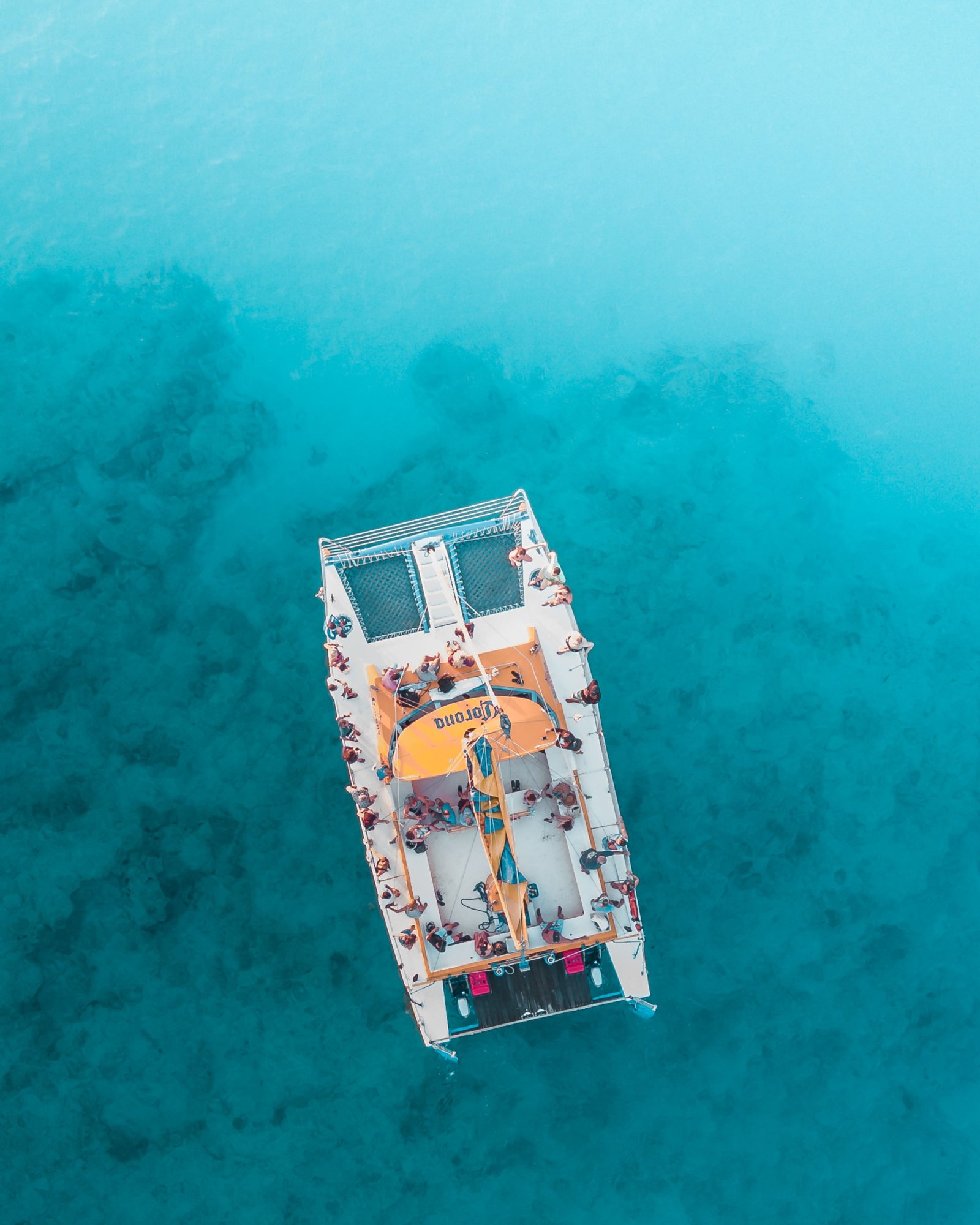
Today, there are different ways to experience Saona. You can travel by speedboat, sail by catamaran, or choose a private experience designed around your group.
At Perico Ripiao Tours, we believe a destination becomes even more interesting when you know some of its story. Because when you finally see those turquoise waters, palm trees, and white-sand beaches, you’ll know you’re looking at more than a beautiful landscape.
You’re stepping onto an island with centuries of stories.